Color education · Mane magazine
Lived-in color, explained
The name sounds effortless. The technique is intentional. Here is what lived-in color actually means and what to discuss before choosing it.
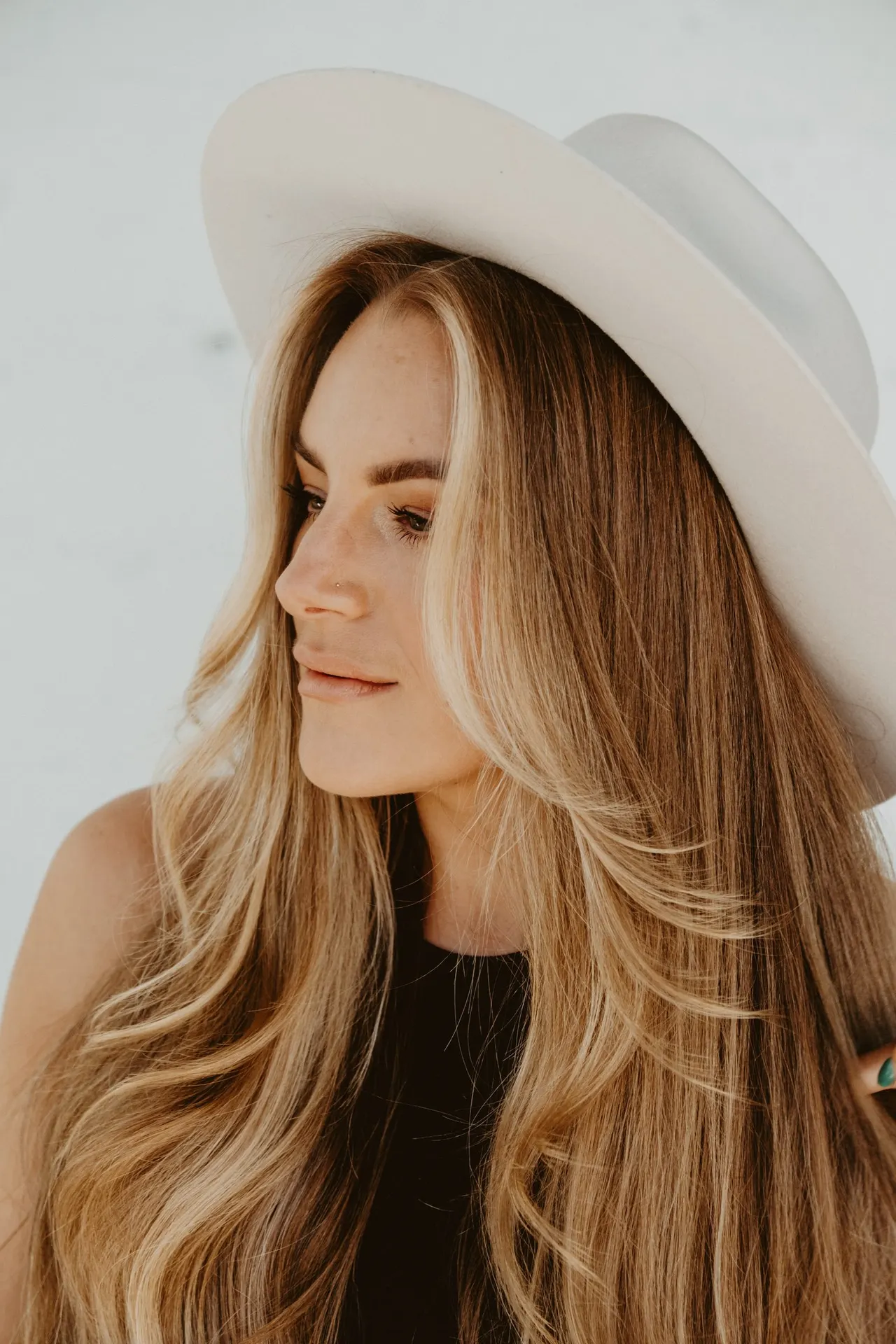
What lived-in color actually means
Lived-in color is an approach to placement and transition, not one fixed shade or formula. The goal is dimensional color that feels connected to the natural base instead of creating a hard, obvious line as it grows.
That may involve balayage, foils, lowlights, root work, glossing, or a combination. The technique matters less than the way brightness, depth, and tone are organized for your hair.
Why the consultation matters
Two guests can show the same inspiration photo and need completely different plans. Starting level, previous color, density, texture, hair health, and the amount of contrast you prefer all change the path.
- Bring clear photos of your current hair in natural light when possible.
- Share previous color services, including at-home color and corrective work.
- Name what you dislike in addition to what you want.
- Be honest about how often you want to return and how much styling you do at home.
Maintenance is part of the design
A softer grow-out does not mean zero maintenance. Tone, shine, hair health, and the brightness around the face may need attention before the full placement needs to be repeated.
Your colorist should explain which visits preserve the look, which are optional, and how home care affects brassiness, dryness, and fading.
When another color direction may fit better
If you want a solid all-over change, high contrast at the root, maximum brightness immediately, or a very specific corrective result, a different service plan may make more sense. The right label matters less than choosing the path that supports the result and upkeep you want.